How to Prevent Kitchen Fires
In today’s fast-paced world, it is crucial to prioritize safety in every aspect of our lives, including our kitchens. Partnering with trusted experts like All American Fire Protection, specialists in Fire Suppression Systems, can elevate your safety measures, especially in spaces as vital as the kitchen. Preventing kitchen fires is not only essential for the protection of our homes and loved ones, but also for ensuring a sense of belonging and security. This article aims to provide thorough, knowledgeable, and practical tips on how to prevent kitchen fires, equipping you with the necessary tools and knowledge to create a safe and welcoming environment in your home.
Key Takeaways
- Always ensure someone is actively monitoring the cooking process to prevent kitchen fires.
- Regularly inspect and maintain kitchen appliances to avoid electrical hazards.
- Consider using less flammable alternatives to paper towels, such as microfiber cloths, and properly dispose of oil residues to prevent combustible items from catching fire.
- Stay alert while cooking, avoid distractions, and practice smart storage by keeping inflammable items away from heat sources to minimize the chances of kitchen fires.
Everyday Dangers in Your Kitchen
When it comes to everyday dangers in your kitchen, there are several factors to be aware of. One of the most common dangers is leaving stovetops unattended, which can lead to accidental fires. Malfunctioning appliances and worn-out cords are also hazardous, as they can cause electrical fires. Additionally, combustible items such as paper towels and oil residues can easily catch fire if not properly managed. Being mindful of these everyday dangers can help prevent kitchen fires and ensure a safe cooking environment.
The peril of unattended stovetops
The negligence of leaving stovetops unattended poses a significant hazard in the kitchen, requiring utmost vigilance to prevent potential fires. Unattended stovetop risks include the dangers of neglecting heat, which can result in overheating and ignition of flammable materials nearby. Fire hazards in the kitchen can lead to extensive property damage, injuries, and even loss of life. To prevent kitchen accidents, it is crucial to never leave the stove unattended and to always ensure that someone is actively monitoring the cooking process.
Malfunctioning appliances and worn-out cords
Malfunction and deterioration of appliances and cords pose everyday dangers in the kitchen. Malfunctioning appliances can lead to electrical hazards, while worn-out cords can increase the risk of fires. To prevent these risks, it is important to regularly inspect and maintain your kitchen appliances. Check for any signs of malfunction or wear and tear, such as frayed cords or loose connections, and replace or repair them immediately. Additionally, avoid overloading electrical outlets and use safety measures like surge protectors to minimize the risk of electrical fires.
Combustible items: From paper towels to oil residues
What potential risks do combustible items pose in your kitchen? Combustible items such as paper towels and oil residues can easily catch fire and contribute to a kitchen fire. To prevent this, it is important to consider paper towel alternatives that are less flammable, such as microfiber cloths. Additionally, regularly cleaning your kitchen to prevent grease buildup, properly disposing of oil residues, and using fire-resistant kitchen materials can significantly reduce the risk of a fire. Practicing safe cooking practices is also crucial in preventing kitchen fires.
Daily Habits to Avert Fire Mishaps
To prevent kitchen fires, it is important to adopt daily habits that prioritize safety. One such habit is to stay alert while cooking, avoiding distractions and being present with the heat source. Regularly checking the condition of kitchen equipment and ensuring their safety is another crucial habit. Lastly, practicing smart storage by keeping inflammable items away from heat sources can significantly reduce the risk of fire mishaps in the kitchen. By incorporating these daily habits, individuals can create a safer environment and minimize the chances of kitchen fires.
Alert cooking: Staying present while using heat
Practicing vigilant cooking is essential for preventing kitchen fires. Staying focused and practicing mindfulness while using heat can significantly reduce the risk of accidents. Heat safety should be a top priority in the kitchen, and being aware of potential fire hazards is crucial. By staying present and maintaining kitchen awareness, you can minimize the chances of a fire mishap. Remember, a few simple habits can go a long way in ensuring fire prevention and a safe cooking environment.
Timely equipment checks: Ensuring appliance safety
Maintaining a routine of regular equipment checks is essential for ensuring appliance safety and preventing fire mishaps in the kitchen. Regular equipment maintenance and appliance inspections should be conducted to identify any potential issues or safety hazards. Safety checks should include inspecting electrical cords for fraying or damage, ensuring proper ventilation for appliances, and checking for any signs of overheating. By implementing these preventative measures and adhering to maintenance schedules, homeowners can significantly reduce the risk of kitchen fires.
Smart storage: Keeping inflammables at bay
One essential daily habit to avert fire mishaps in the kitchen is ensuring smart storage of inflammable materials. Proper organization and safe storage techniques play a crucial role in preventing accidents. It is important to store flammable items away from heat sources and in fire-resistant containers. Additionally, practicing proper disposal methods for hazardous materials and implementing fire prevention strategies, such as regularly inspecting storage areas for potential risks, are key in maintaining a safe kitchen environment.
Stepping Up Your Safety Game: Introducing Suppression Systems
As kitchen fires can be a serious hazard, it is important to take proactive measures to prevent them. One effective way to enhance safety in the kitchen is by introducing suppression systems. These systems are designed to quickly detect and suppress fires before they have a chance to spread, potentially saving lives and minimizing property damage.
What are Kitchen Suppression Systems?
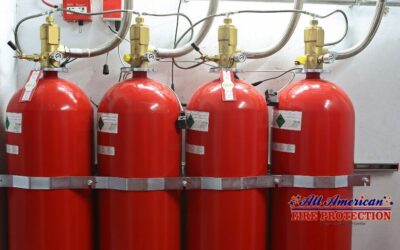
Introducing suppression systems enhances the safety measures in preventing kitchen fires. Kitchen suppression systems are specifically designed to quickly detect and extinguish fires in commercial kitchens. These systems offer several benefits, including automatic fire detection, rapid fire suppression, and protection of valuable equipment and property. There are different types of suppression systems available, such as wet chemical, dry chemical, and pre-engineered systems. Regular maintenance is crucial to ensure their proper functioning. The installation process and cost of suppression systems vary depending on the specific requirements of each kitchen.
Why every North and South Carolina kitchen needs one
To ensure utmost safety in North and South Carolina kitchens, the installation of suppression systems is highly recommended, as discussed in the previous subtopic. According to residential fire statistics, kitchen fires are one of the leading causes of home fires. Common causes of kitchen fires include unattended cooking, grease buildup, and electrical malfunctions. By implementing suppression systems, homeowners can significantly reduce the risk of fires and protect their loved ones and property. It is crucial to prioritize fire safety education and follow kitchen fire prevention tips to create a safer environment for everyone.
Empower Your Home: Training & Tools for Kitchen Fire Safety
To ensure the safety of your home and loved ones, it is crucial to implement regular fire drills and familiarize yourself with the proper use of fire safety tools. By training yourself and your family members on how to respond in the event of a kitchen fire, you can minimize the risk of injuries and property damage. Fortunately, there are numerous training resources available in North and South Carolina that can provide you with the knowledge and skills necessary to empower your home and prevent kitchen fires.
The critical role of regular fire drills
Regular fire drills play a vital role in enhancing kitchen fire safety by ensuring that residents are well-prepared and equipped to respond effectively in the event of a fire. Through regular practice, residents become familiar with emergency preparedness, safety protocols, evacuation procedures, and fire prevention. Fire drills provide an opportunity to identify any weaknesses in the response plan and make necessary improvements. By instilling confidence and readiness, regular fire drills empower residents to protect themselves and their homes from the devastating effects of kitchen fires.
Selecting the right fire safety tools
Enhancing kitchen fire safety requires careful consideration when selecting the right fire safety tools. A fire extinguisher is an essential tool that can swiftly extinguish small fires before they spread. It is crucial to have a working smoke detector installed in the kitchen to alert you in case of a fire. Additionally, a fire blanket can smother small fires and keep them from spreading. A fire alarm should be installed to alert everyone in the house during a fire emergency. Lastly, having a well-defined fire safety plan in place will ensure that everyone knows what to do in case of a kitchen fire.
Training resources in North and South Carolina
Training resources in North and South Carolina provide valuable tools and knowledge for kitchen fire safety. Residents have access to various training options, including safety protocols, fire prevention tips, and certification programs. Local fire departments offer training sessions and workshops to educate individuals on fire prevention techniques and emergency procedures. These resources empower community members to take proactive measures in preventing kitchen fires and responding effectively in case of an emergency. By participating in these training programs, residents can ensure the safety of their homes and loved ones.
All American Fire Protection: Revolutionizing Kitchen Safety
All American Fire Protection is at the forefront of revolutionizing kitchen safety with its Kitchen Suppression Systems. Our promise is to provide maximum protection against kitchen fires, ensuring the safety of residents in North and South Carolina. With our state-of-the-art technology and expertise, it is no wonder why so many people choose us for their fire protection needs.
Our promise: Maximum protection with Kitchen Suppression Systems
With its focus on maximum protection, All American Fire Protection revolutionizes kitchen safety through the implementation of Kitchen Suppression Systems. These systems are designed to prevent kitchen fires and ensure fire safety in homes. By empowering homeowners with this advanced technology, All American Fire Protection offers peace of mind and a sense of belonging to a community that prioritizes safety. With their thorough knowledge and practical approach, they have created a solution that provides maximum protection and prevents potential disasters in the kitchen.
Why residents of North and South Carolina choose us
Residents of North and South Carolina are drawn to All American Fire Protection’s revolutionary approach to kitchen safety, demonstrated through their implementation of Kitchen Suppression Systems. Our company understands the residents’ preferences for top-notch services and local expertise when it comes to protecting their kitchens. With customer testimonials highlighting the advantages of choosing us, our team ensures maximum protection against kitchen fires. Trust All American Fire Protection for a practical and knowledgeable solution to your kitchen safety needs.
Frequently Asked Questions
What Are Some Common Causes of Kitchen Fires?
Common causes of kitchen fires include unattended cooking, overheating oil or grease, electrical malfunctions, improper use of appliances, and flammable materials stored near heat sources. Preventing kitchen fires requires the use of fire extinguishers, practicing electrical safety precautions, ensuring proper ventilation, and safely storing flammable materials.
How Can I Ensure My Kitchen Appliances Are Safe to Use?
Ensuring the safety of kitchen appliances requires regular maintenance, checking for faulty wiring, proper ventilation, using appliances with safety features, and following the manufacturer’s instructions. These practices help prevent potential hazards and reduce the risk of kitchen fires.
Can You Provide Some Tips for Preventing Grease Fires in the Kitchen?
Preventing grease fires in the kitchen is crucial for kitchen fire safety. Proper stove and oven maintenance, regular cleaning, and ensuring proper ventilation can help minimize the risk. Additionally, having a fire extinguisher readily available is essential for immediate response.
What Should I Do if a Fire Starts in My Kitchen?
In the event of a kitchen fire, it is crucial to stay calm and follow a well-rehearsed evacuation plan. Assess the situation and, if safe to do so, use a fire extinguisher. Contact emergency services immediately and take measures to prevent the fire from spreading.
Are There Any Specific Safety Measures I Should Take When Cooking With Oil or Using the Oven?
When cooking with oil or using the oven, it is important to take specific safety measures. This includes maintaining safe cooking temperatures, ensuring proper ventilation, having a fire extinguisher nearby, storing oil properly, and regularly cleaning the oven.
Conclusion
In conclusion, implementing fire safety measures in the kitchen is crucial to prevent accidents and protect your home. By being aware of everyday dangers, adopting daily habits to prevent fire mishaps, and utilizing suppression systems, you can significantly reduce the risk of kitchen fires. Empowering yourself with training and the right tools further enhances your ability to respond effectively in case of an emergency. With the help of professionals like All American Fire Protection, kitchen safety can be revolutionized for a safer and more secure home.